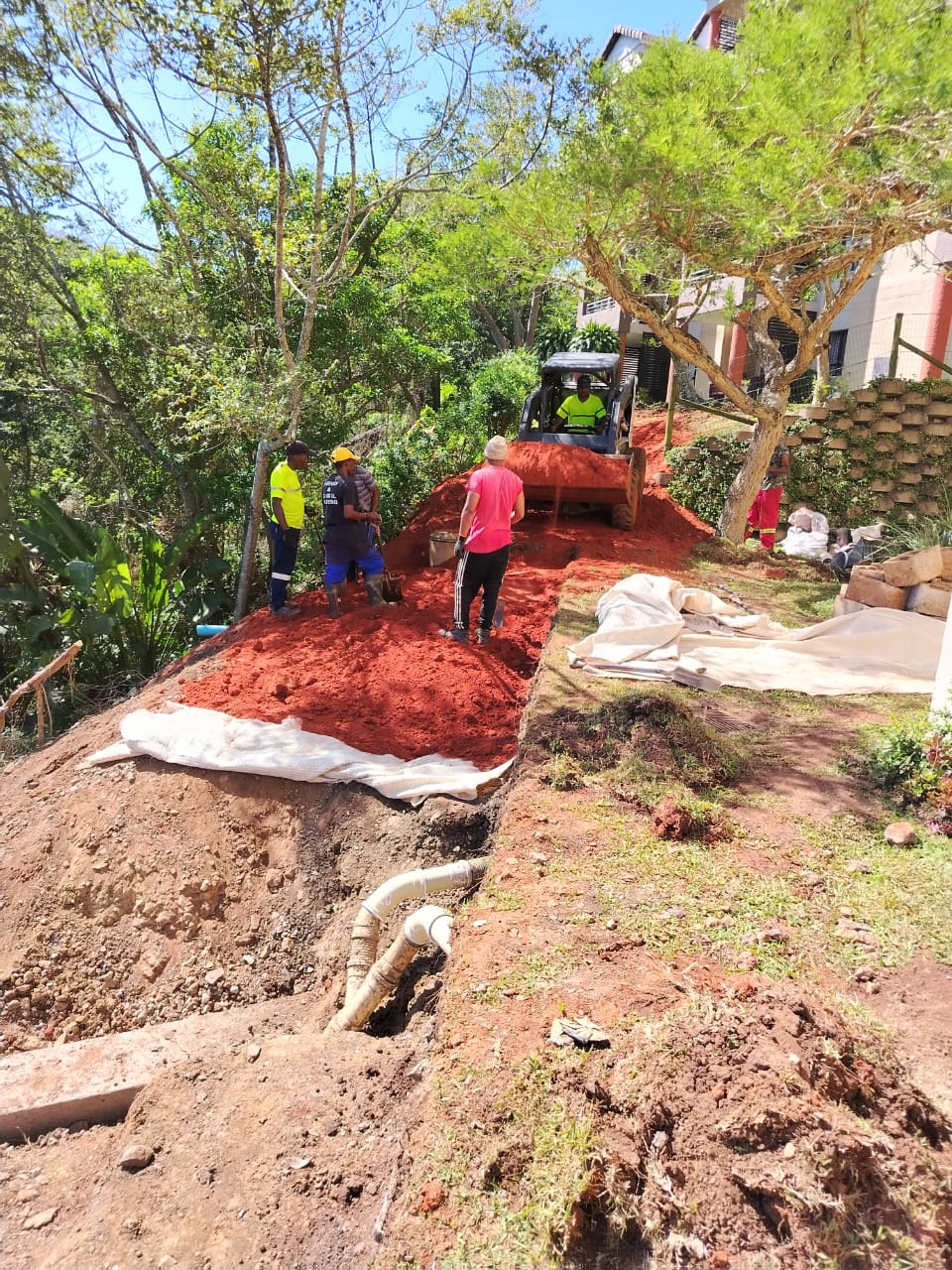
Site rehabilitation is one of the most underestimated aspects of construction and plumbing work. When a site has been damaged — whether by water leaks, structural failure, poor workmanship, or long-term neglect — fixing the visible problem is only half the job. The real work lies in restoring the site safely, sustainably, and to a standard that prevents the issue from returning.
This was exactly the challenge Flow Build recently took on during a comprehensive site rehabilitation project that required careful planning, technical expertise, and a methodical, hands-on approach.
Understanding the Problem Before Picking Up Tools
Before any repairs began, the Flow Build team conducted a full site assessment. This stage is critical in rehabilitation projects, as surface-level damage often hides deeper structural or plumbing issues.
Key areas assessed included:
-
Existing plumbing systems and potential leak points
-
Structural integrity of walls, floors, and foundations
-
Water damage, damp penetration, and drainage flow
-
Previous repair work and areas of failure
By identifying root causes rather than symptoms, Flow Build ensured that the rehabilitation would be long-term — not a temporary patch-up.
A Structured Rehabilitation Process
Once the assessment was complete, the project moved into a structured rehabilitation phase designed to minimise disruption while maximising durability.
1. Safe Demolition and Preparation
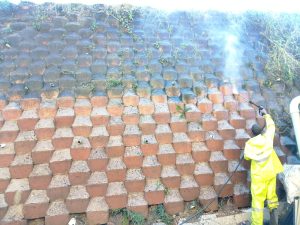
Damaged materials were carefully removed to expose affected areas without compromising surrounding structures. This allowed the team to work accurately and safely.
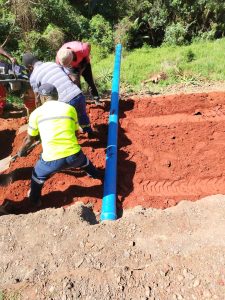
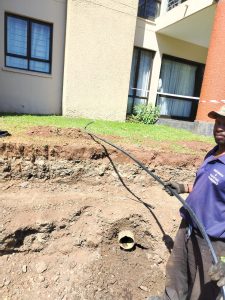
2. Plumbing Repairs and Upgrades
Faulty or outdated plumbing components were repaired or replaced, ensuring:
-
Proper water flow and pressure
-
Correct drainage and fall
-
Compliance with industry standards
Preventative upgrades were also implemented where necessary to reduce future risk.
3. Structural Repairs
Rehabilitation went beyond plumbing. Walls, surfaces, and affected structural elements were restored using quality materials chosen specifically for durability and moisture resistance.
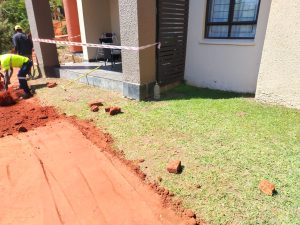
4. Finishing and Site Restoration
Once repairs were completed, the site was restored to a clean, functional, and professional standard — leaving it not just repaired, but improved.
Why Site Rehabilitation Requires Experience
Rehabilitation projects demand more than basic construction skills. They require:
-
An understanding of how plumbing, structure, and environment interact
-
The ability to foresee long-term risks
-
Attention to detail at every stage
Flow Build’s approach reflects an understanding that a successful rehabilitation isn’t just about fixing what’s broken — it’s about strengthening what remains.
The End Result: A Safer, Stronger Site
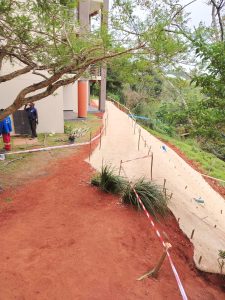
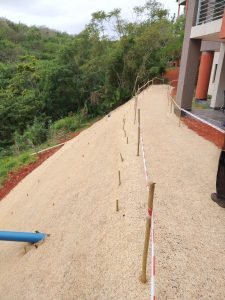
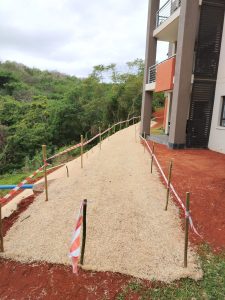
By the end of the project, the site was fully rehabilitated with:
-
Improved plumbing reliability
-
Reinforced structural integrity
-
Reduced risk of recurring damage
-
A cleaner, more resilient finish
Most importantly, the client gained peace of mind knowing the work was done correctly, thoroughly, and with longevity in mind.
Building for the Long Term
At Flow Build, site rehabilitation is treated as a responsibility, not a quick fix. Every project is approached with the mindset that today’s repairs should still be standing strong years from now.
Whether it’s water damage, structural deterioration, or complex plumbing failures, Flow Build focuses on restoring sites in a way that protects both the property and the people who use it.
Leave a Reply